Choosing the right aluminium windows is not only about styling your home—it directly affects comfort, durability, energy savings, noise level, and property value. Whether you are building a new home or replacing old windows, understanding how to evaluate aluminium windows will help you make a smart long-term investment.
Why Aluminum Windows Are a Popular Choice
Aluminum has become one of the most demanded window frame materials for both residential and commercial projects. Compared to wood or PVC, aluminum offers:
High strength and durability
Slim profiles with wider glass visibility
Excellent weather and corrosion resistance
Low maintenance
Modern and minimalist aesthetics
Support for large glass panels
If you prefer stylish, long-lasting, and high-performance windows, aluminum is almost always the best option.
Understand Different Types of Aluminium Windows
Choosing the window style depends on your ventilation needs, usage habits, and building type.
Fixed Aluminium Windows
Do not open
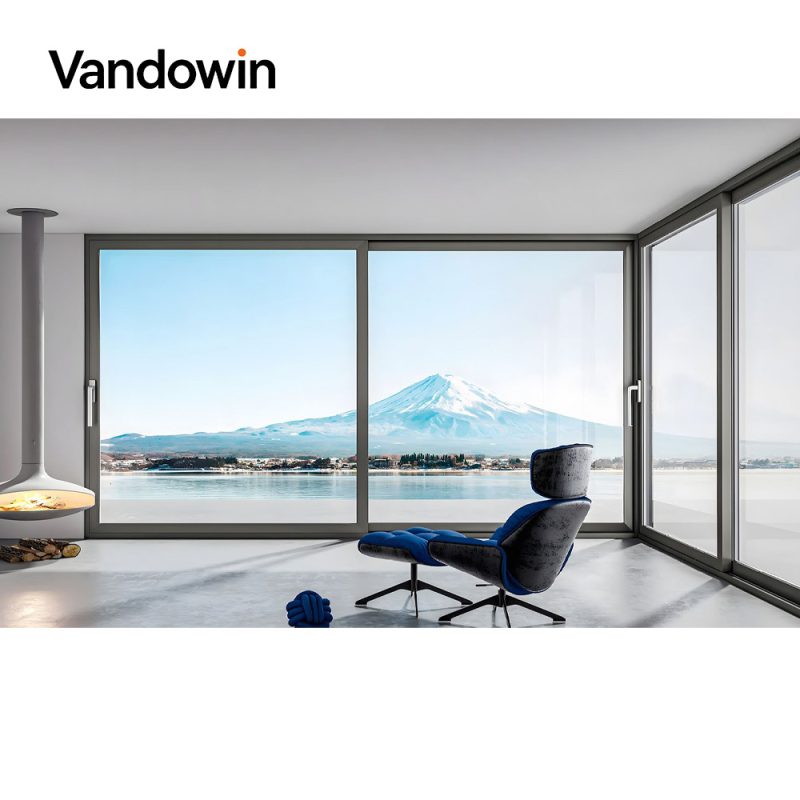
Best for panoramic views or large glass areas
Excellent thermal performance
Ideal for: living rooms, staircases, commercial façades, and high floors.
Casement Aluminium Windows
Open outward or inward on a hinge
Excellent ventilation
Better sealing performance
Recommended for: bedrooms, kitchens, and areas requiring airflow.
Sliding Aluminium Windows
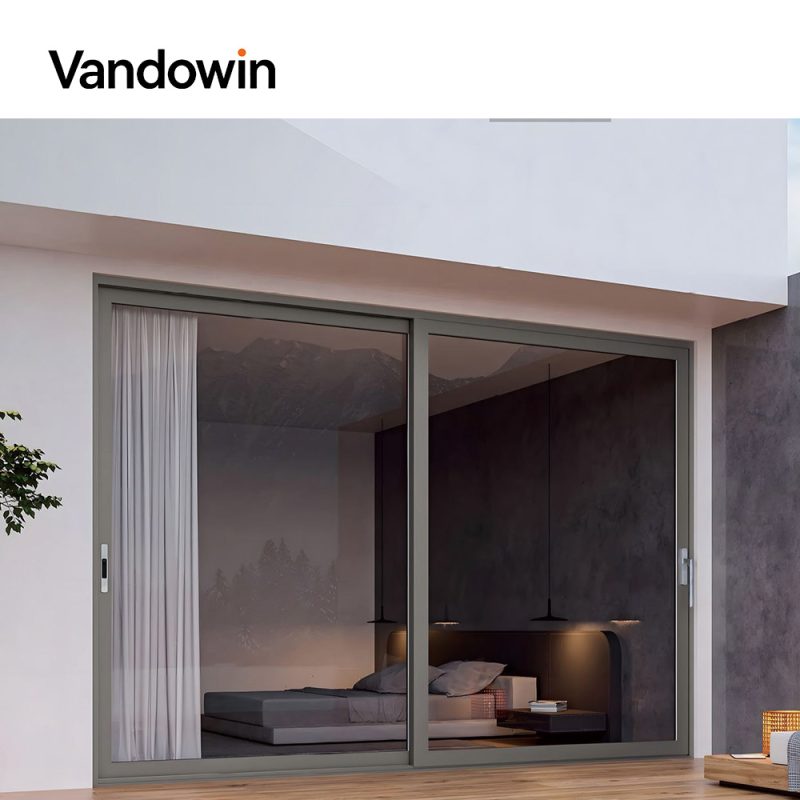
Horizontally sliding panels
Saves indoor space
Smooth operation
Recommended for: balconies, bathrooms, apartments, or compact rooms.
Tilt & Turn Aluminium Windows
Double function: tilting for ventilation, turning for full opening
High security
Premium European-style design
Ideal for modern homes, offices, and high-end residential installations.
Energy Efficiency and Noise Control
U-Value and SHGC
Ask manufacturers for:
U-value: heat transfer rate
SHGC: solar heat gain
Lower values = higher energy efficiency.
Noise Insulation
If you live near roads, airports, or busy communities:
Choose laminated double glazing
Look for rubber sealing systems
Avoid cheap hardware
Soundproof windows can drop external noise by 25–40dB.
Quality Certifications to Check
Trustworthy suppliers provide certifications such as:
CE
ISO9001
AAMA standards
Australian AS2047
Energy Star
These ensure safety, performance, and manufacturing quality.
Design & Aesthetic Considerations
Slim Profiles
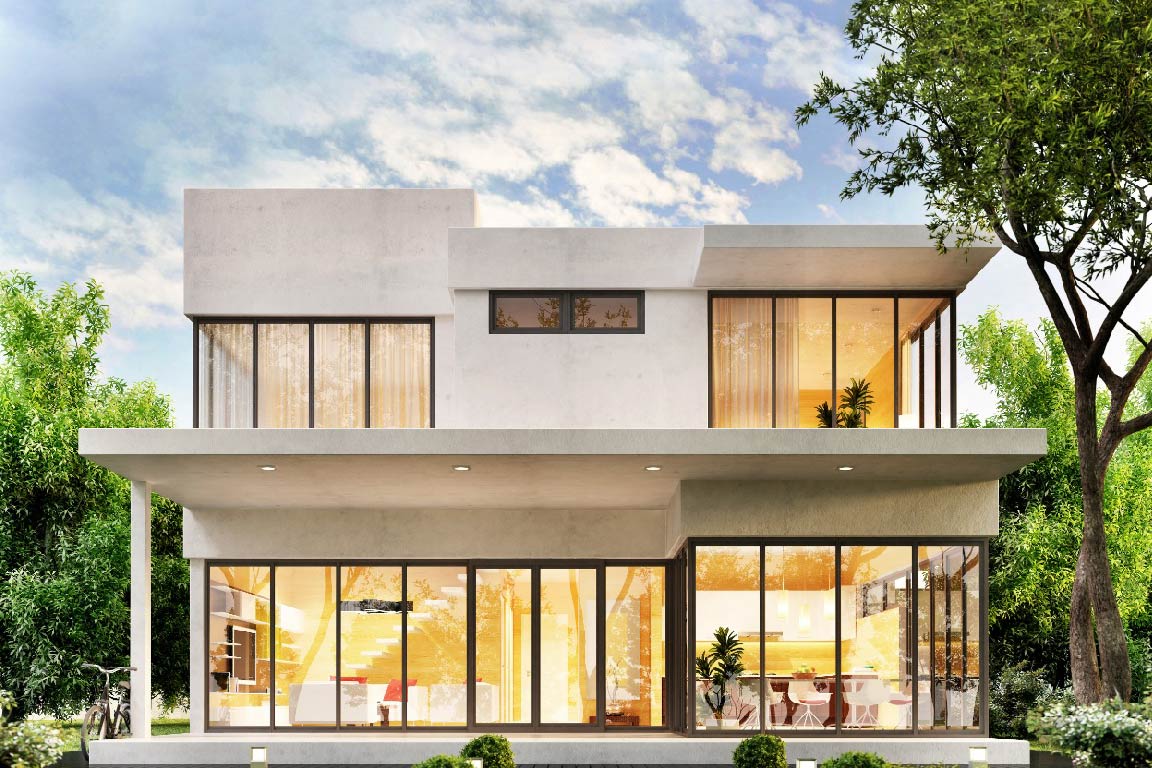
One of aluminium’s biggest advantages is ultra-narrow frames.
More visible glass
More natural light
Modern minimalism
Frame Color Options
Powder coating and anodized finishing allow:
Matte
Metallic
Wood grain
RAL custom colors
Choose finishes that match doors, interior style, and exterior façades.
Local Climate Considerations
Climate affects your configuration selection:
Cold region → thermal break + double/triple glass
Hot region → Low-E glass + UV filtering
Coastal region → marine-grade coating + anti-corrosion hardware
High-rise → thicker profile + hurricane glass (if needed)
What to Look for When Choosing Aluminum Windows
Profile Thickness and Structural Strength
Aluminium window frames must withstand wind, pressure, extreme temperatures, and daily use.
Thicker profiles = higher strength
Suitable for high-rise buildings or areas with strong wind
A reliable manufacturer will provide wall thickness standards and testing certificates.
Thermal Break Technology
If you live in a region with large temperature differences, choose thermal break aluminium.
Thermal break windows use a PA66 insulation bar between internal and external aluminium frames to block heat transfer.
Benefits:
Reduced condensation
Better temperature stability
Lower energy bills
Glass Configuration
Glass is responsible for more than 70% of window thermal performance.
Common options:
Double glazing
Triple glazing
Low-E coated glass
Tempered or laminated glass
Low-E+double glazing is the most balanced option for most climates.
Hardware and Accessories
Window performance isn’t only about frames and glass.
Check:
Hinges
Rollers
Handles
Locks
Seal strips
Premium hardware ensures smoother operation and longer lifespan.
Weatherproofing Performance
Look for windows with:
Multi-layer sealing
EPDM or high-grade rubber strips
Tested water/air tightness levels
These features improve insulation, reduce noise, and extend product life.
Partner With a Reliable Window Manufacturer
A high-quality manufacturer should provide:
Engineering support based on project size
Custom glass options
Precise production and quality control
Professional installation guidance
After-sales and warranty
Choosing the cheapest option often leads to higher long-term cost.
Final Thoughts
Aluminium windows are not just structural components—they define the comfort, efficiency, and aesthetics of your space.
To choose wisely, evaluate:
Frame + Glass + Hardware + Climate + Manufacturer
Once these elements are aligned, your windows will serve you for decades with beauty, durability, and energy-saving performance.